

A Better Way to Provide Meaningful Accountability for Youth
Latest Reports
40 Years of Fighting for Justice
We advocate for effective and humane responses to crime that minimize imprisonment and criminalization of youth and adults by promoting racial, ethnic, economic, and gender justice.
-
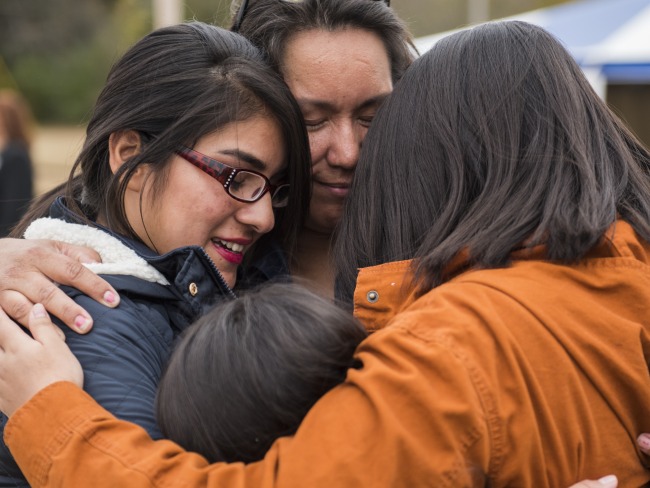
Key Issues
Learn more about our issuesLearn about our key areas of focus to end mass incarceration and promote racial justice.
-
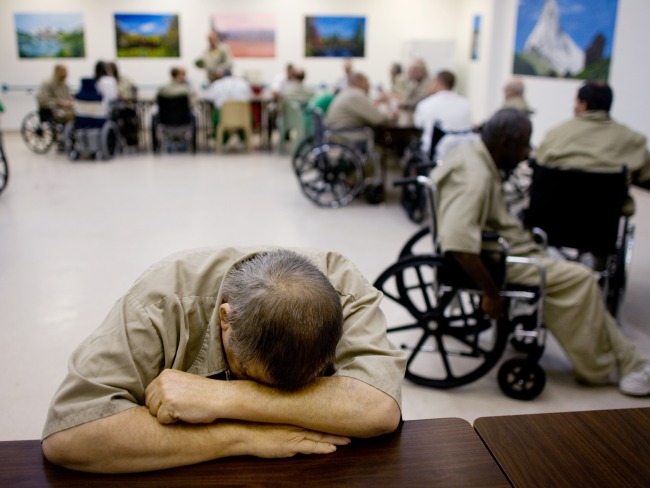
Groundbreaking Research
Explore our researchExplore our trusted research on the U.S. criminal legal system. Get the data, compare state statistics, and search resources in our comprehensive digital library.
-
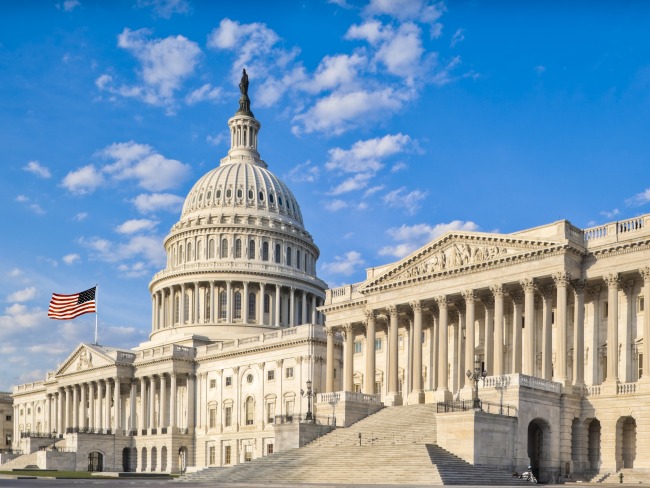
Fighting for Real Change
Join our fightJoin us in the fight to advance policies that are rooted in research and promote humane and effective approaches to justice for youth and adults.
-
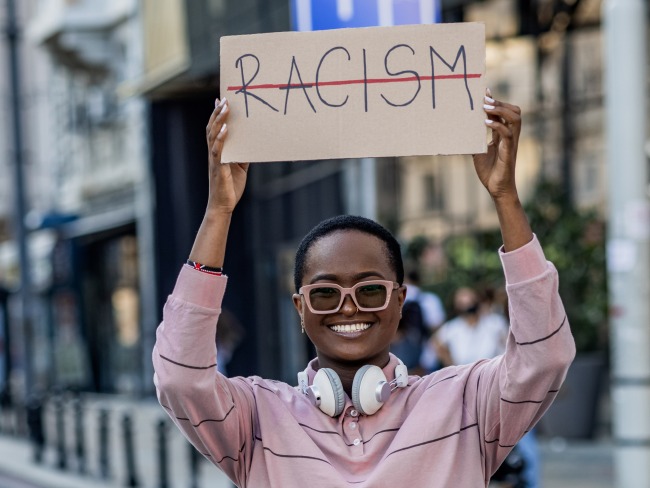
Mission, Vision, and Priorities
Learn more about our missionSee how we're advancing a more equitable criminal legal system that promotes the full inclusion of people with criminal records and puts an end to extreme punishments.


Second Look Network
Launched in 2023, the Second Look Network is a coalition of attorneys and mitigation specialists across the country providing direct legal representation to incarcerated individuals seeking relief from lengthy or unfair sentences. We provide a safe and confidential space for collaboration, training, support, and encouragement.
Amplifying Impacted Voices

Assia Serrano
Assia Serrano was coerced into committing a crime by her abusive partner, which led to her serving 17 years behind bars until she received relief under the Domestic Violence Survivors’ Justice Act (DVSJA). While incarcerated, she gained her B.A in sociology and became a nursery doula, nursery facilitator, parent educator, and conflict mediator.

Frederick Page
In 1989, Frederick Page was sentenced to a virtual life sentence of 42 ½ to 102 years in Philadelphia for seventeen misdemeanor burglaries — a sentence with the potential to exceed his life. Spending over three decades in prison, he has worked hard to make amends for his past and is focused on a positive path forward.

James Jeter
James Jeter is a directly impacted voting rights advocate in Connecticut working to advance access to the ballot for people impacted by felony disenfranchisement.

Michael Munn
The impacts of incarceration are not only felt by the person behind bars, but it also impacts their loved ones. When Michael Munn’s brother was sentenced to life in prison, it affected his entire family. Now, he’s using his experience to advocate for criminal justice reform efforts.
Amplifying Impacted Voices
Frederick Page
In 1989, Frederick Page was sentenced to a virtual life sentence of 42 ½ to 102 years in Philadelphia for seventeen misdemeanor burglaries — a sentence with the potential to exceed his life. Spending over three decades in prison, he has worked hard to make amends for his past and is focused on a positive path forward.
Michael Munn
The impacts of incarceration are not only felt by the person behind bars, but it also impacts their loved ones. When Michael Munn’s brother was sentenced to life in prison, it affected his entire family. Now, he’s using his experience to advocate for criminal justice reform efforts.
Assia Serrano
Assia Serrano was coerced into committing a crime by her abusive partner, which led to her serving 17 years behind bars until she received relief under the Domestic Violence Survivors’ Justice Act (DVSJA). While incarcerated, she gained her B.A in sociology and became a nursery doula, nursery facilitator, parent educator, and conflict mediator.
James Jeter
James Jeter is a directly impacted voting rights advocate in Connecticut working to advance access to the ballot for people impacted by felony disenfranchisement.

Help End Mass Incarceration and Racial Injustice
Support our groundbreaking research, advocacy, and public education programs and help fight to end mass incarceration and racial injustice. Change needs to happen now–and together, we can make a difference.
